Bib024
The Effectiveness of Insulin Treatment for Diabetes
- Topic
- Health
- Written
- Read in
- 3 min
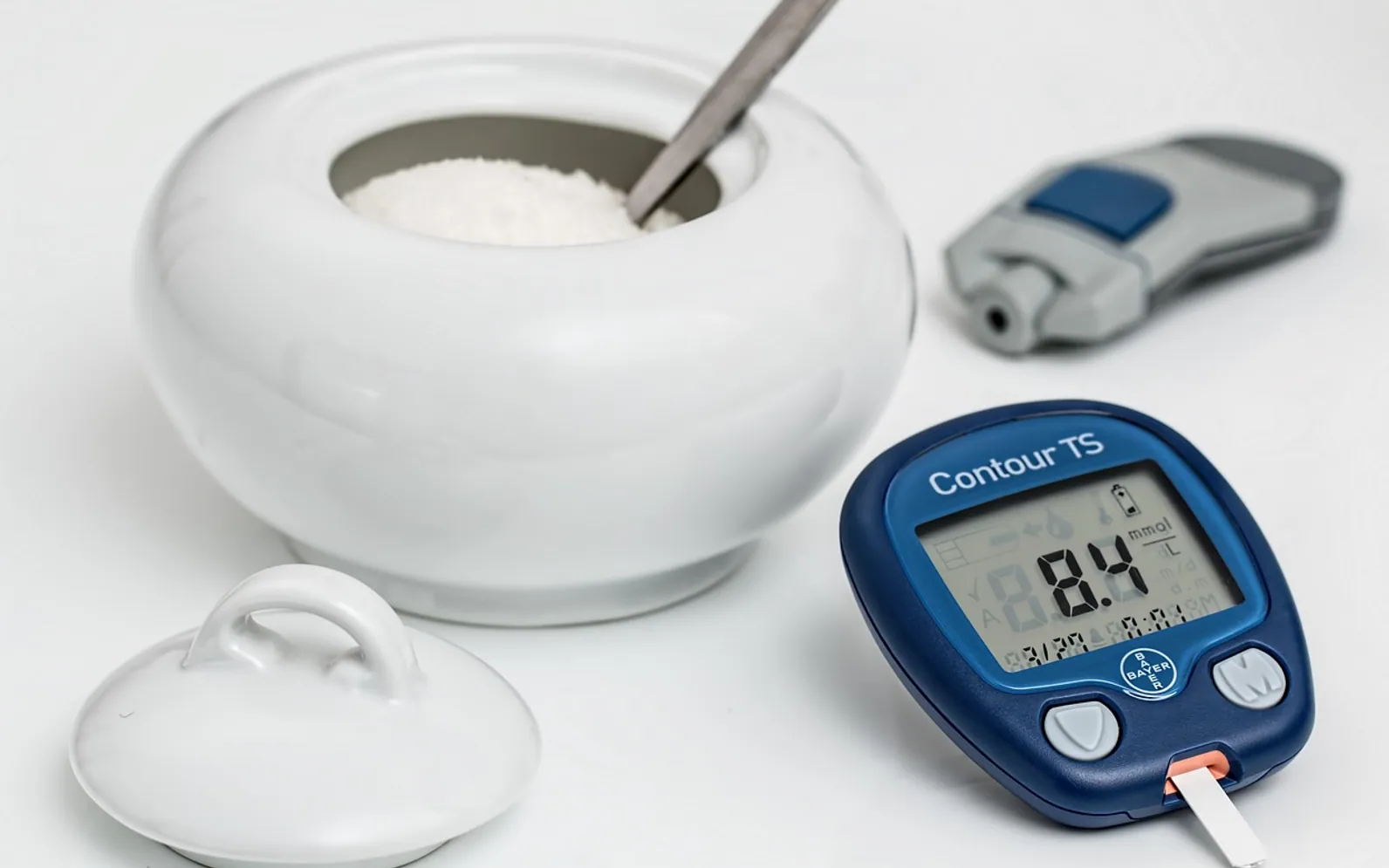
Diabetes has no cure yet, but it can be managed, and for many people insulin is the central part of that management. It has been in medical use for over a century…
Diabetes has no cure yet, but it can be managed, and for many people insulin is the central part of that management. It has been in medical use for over a century and remains one of the most important tools doctors have. Understanding why it works and what makes it effective day to day can make the routine feel less like a mystery.
This article is general background, not a treatment plan. Doses and choices of insulin are always set with a doctor or diabetes care team.
What insulin does when the pancreas works normally
Insulin is a hormone made by the pancreas. After you eat, carbohydrates are broken down into glucose, which enters the bloodstream. Insulin acts like a key that lets cells take that glucose in and use it for energy. When there is more glucose than the body needs right away, insulin also helps store the surplus, mainly in the liver and muscles.
In diabetes, this system breaks down. Either the body does not make enough insulin, or it does not respond to insulin properly, or both. Glucose then builds up in the blood. Over time, persistently high levels can damage blood vessels, nerves, eyes and kidneys, which is why keeping glucose in a target range matters so much.
Insulin in type 1 and type 2 diabetes
Type 1
In type 1 diabetes, the immune system damages the cells in the pancreas that make insulin. The body can no longer produce enough of it, so insulin has to be supplied from outside, every day, for life. It is given by injection or through an insulin pump. Treatment aims to mimic what a healthy pancreas does: a background level of insulin through the day and night, plus extra around meals.
Type 2
Type 2 diabetes usually starts with the body's cells responding less well to insulin. Many people manage it at first with changes to diet and activity, often alongside tablets or other medicines. If glucose levels stay too high despite those steps, a doctor may add insulin. Needing insulin is not a personal failure; type 2 diabetes often changes over the years, and treatment changes with it.
Why the right dose shifts from day to day
One reason insulin treatment takes practice is that the body's needs are not fixed. Several everyday factors affect how much insulin is needed:
- Food: the amount and type of carbohydrate in a meal.
- Physical activity: exercise tends to lower glucose, sometimes for hours afterward.
- Illness and stress: both can push glucose levels up.
- Timing: when insulin is taken relative to meals.
Too little insulin leaves glucose high; too much can make it drop too low, a state called hypoglycemia that can cause shakiness, sweating and confusion and needs prompt treatment. This is why people using insulin are taught by their care team how to adjust safely and how to recognize warning signs.
Monitoring glucose and choosing an insulin type
Effective treatment depends on information. A glucose meter, which uses a small drop of blood, or a continuous glucose monitor, which reads levels through a sensor worn on the skin, shows how the body is responding. Patterns over days and weeks help the care team fine-tune the plan.
There are several kinds of insulin, grouped by how quickly they start working and how long they last. Rapid-acting insulins such as Humalog are typically taken around mealtimes, while longer-acting types cover the background need. Which combination suits a person is a decision for the prescriber, based on their routine, health and goals.
Everyday routines that support the treatment
Insulin works best as part of a wider routine. Regular meals, movement that fits the day, such as a walk after lunch, and keeping a simple log of readings all make the numbers easier to interpret. Carrying a fast-acting sugar source, like glucose tablets, is a sensible habit for anyone at risk of lows.
Above all, stick closely to the plan agreed with your doctor and bring questions to appointments. If readings keep drifting, or you notice frequent lows, contact your care team rather than changing doses on your own. Small, guided adjustments are how insulin treatment becomes both effective and manageable.
Running alongside
| Bib | Article | Written | min |
|---|---|---|---|
| 042 | Mouthwash for Gum Health and What a Rinse Can and Cannot Do | Oct 8, 2026 | 03 |
| 034 | How to Choose the Right Ashwagandha Supplement: Capsules, Powders, and More | Jun 18, 2025 | 03 |
| 033 | A Medical Spa Offers Treatments To Enhance Your Appearance | Dec 18, 2024 | 03 |
| 030 | Demystifying Creatine: Fact or Fiction? | May 15, 2023 | 03 |