Bib027
Unlocking the Secrets of Biology: The Top 5 Bio Lab Essentials
- Topic
- Health
- Written
- Read in
- 3 min
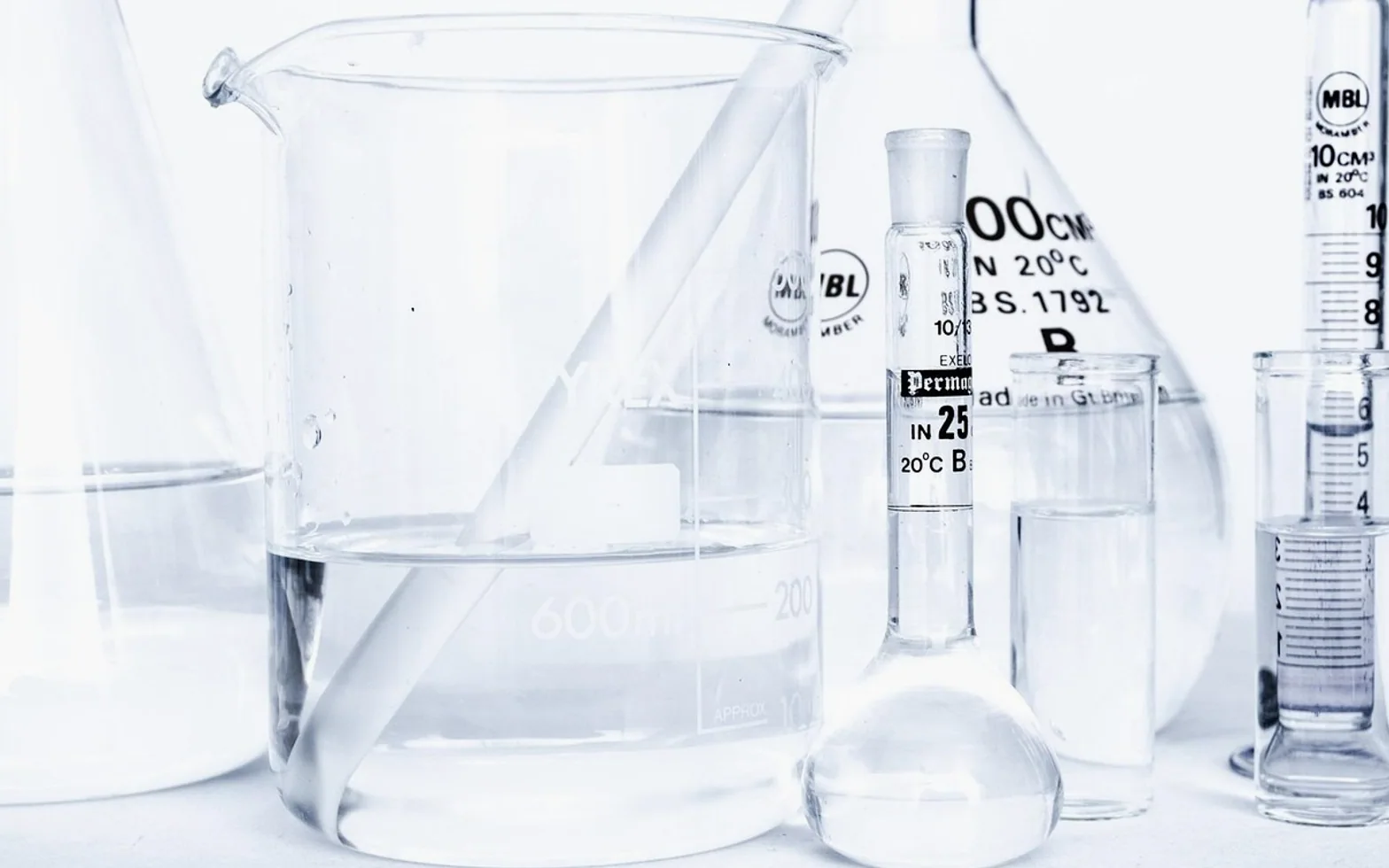
Walk into almost any biology lab, from a university teaching room to a hospital research unit, and you will find the same core set of instruments on the benches. Each answers a…
Walk into almost any biology lab, from a university teaching room to a hospital research unit, and you will find the same core set of instruments on the benches. Each answers a basic question: what does this look like, what is it made of, how much is there, and how do I keep it alive? Getting these five tools right shapes almost every experiment that follows.
Why the right equipment shapes the results
Biology works with things that are tiny, fragile and easily contaminated. A badly calibrated pipette or an incubator that drifts by a couple of degrees can quietly ruin weeks of work. That is why labs put real care into choosing and maintaining their gear, and why suppliers of laboratory equipment play a bigger part in research than most people outside the field realize.
When planning a lab, think about the samples you handle, how many you process each day and how much bench space you have. Those three factors narrow down the options faster than any spec sheet.
1. Microscopes: seeing cells and structures
The microscope is the most recognizable tool in biology. A standard light microscope is enough for stained tissue sections, blood smears and many cell cultures. Fluorescence microscopes use special dyes and filtered light to highlight specific proteins or structures. Electron microscopes go much further in resolution, but they are large, expensive instruments usually shared within an institution.
For most labs, good optics, a stable stage and a camera for documentation matter more than the most advanced model.
2. Centrifuges: separating by density
A centrifuge spins samples at high speed so heavier components settle at the bottom of the tube. It is used to pellet cells, separate blood into plasma and cells, and purify DNA or proteins. Benchtop microcentrifuges handle small tubes; larger floor models take bigger volumes, and refrigerated versions protect heat-sensitive samples.
Balancing the rotor carefully and checking tube ratings are basic safety habits that protect both the operator and the machine.
3. Incubators: keeping cultures growing
Cells and microorganisms need stable conditions to grow. Incubators hold a set temperature and, for many cell cultures, controlled humidity and carbon dioxide levels. Shaking incubators keep bacterial cultures mixed and supplied with oxygen.
Regular cleaning and monitoring are essential, because contamination in one flask can spread to everything else on the shelf.
4. Pipettes: moving tiny volumes accurately
Much of biology involves moving very small amounts of liquid, often microliters. Adjustable pipettes come in different volume ranges, and multichannel versions fill several wells of a plate at once. They are central to techniques such as PCR, gel electrophoresis and ELISA assays.
Accuracy depends on technique as much as on the tool: pre-wetting the tip, holding the pipette upright and having it calibrated on a regular schedule.
5. Spectrophotometers: measuring what you cannot see
A spectrophotometer shines light through a sample and measures how much is absorbed. That tells researchers how concentrated a DNA, RNA or protein sample is, or how dense a bacterial culture has grown. Microvolume models need only a drop of sample, while plate readers measure many samples at once.
| Instrument | Main question it answers |
|---|---|
| Microscope | What does it look like? |
| Centrifuge | How do I separate the parts? |
| Incubator | How do I keep it growing? |
| Pipette | How do I move exact amounts? |
| Spectrophotometer | How much is there? |
With these five in place, and with careful maintenance and calibration, a lab has a solid base for most everyday work in cell and molecular biology.
Running alongside
| Bib | Article | Written | min |
|---|---|---|---|
| 042 | Mouthwash for Gum Health and What a Rinse Can and Cannot Do | Oct 8, 2026 | 03 |
| 034 | How to Choose the Right Ashwagandha Supplement: Capsules, Powders, and More | Jun 18, 2025 | 03 |
| 033 | A Medical Spa Offers Treatments To Enhance Your Appearance | Dec 18, 2024 | 03 |
| 030 | Demystifying Creatine: Fact or Fiction? | May 15, 2023 | 03 |