Bib033
A Medical Spa Offers Treatments To Enhance Your Appearance
- Topic
- Health
- Written
- Read in
- 3 min
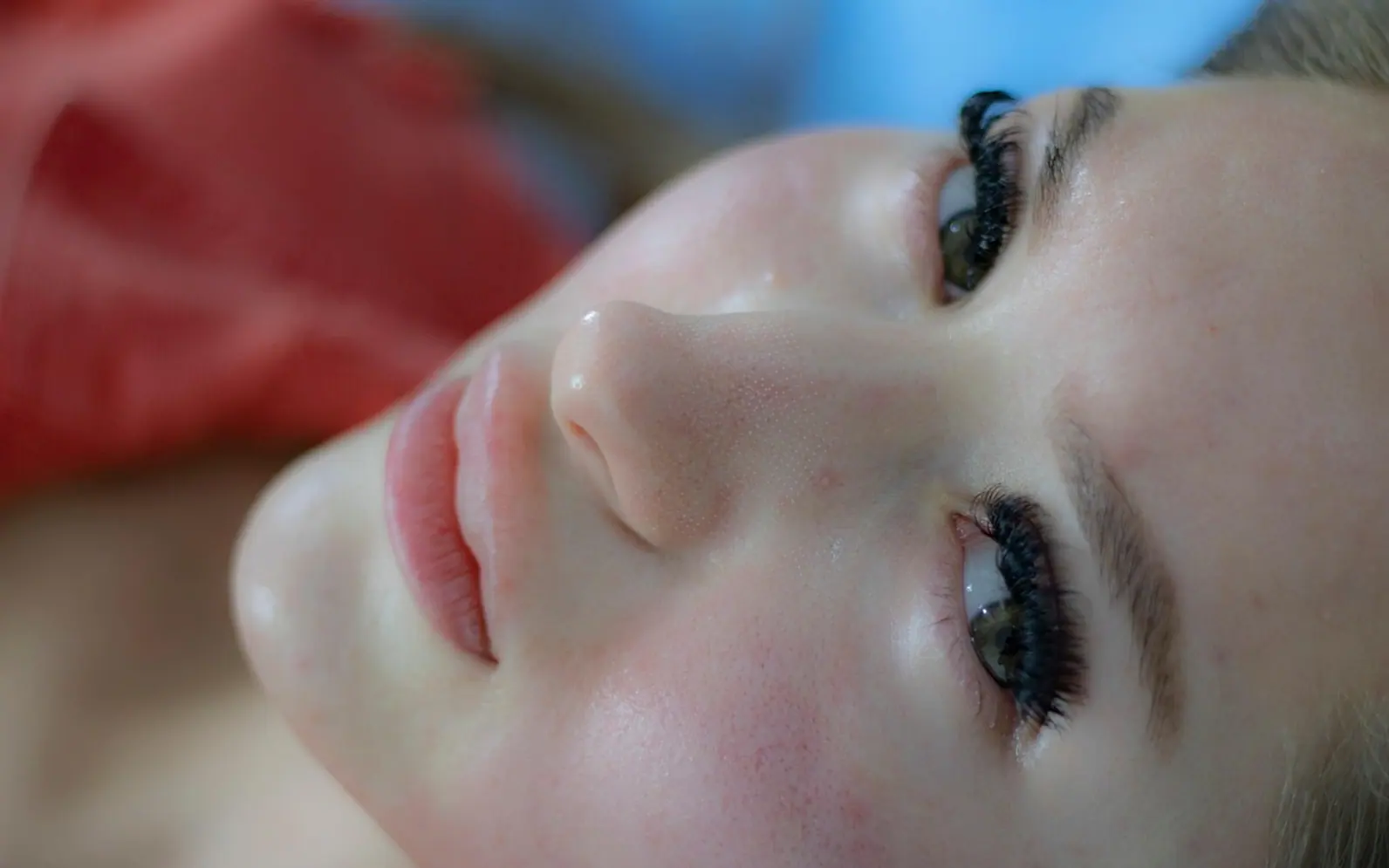
Booking a facial at a regular day spa is simple: pick a time, show up, relax. A medical spa appointment works a little differently. Because some of the treatments on the menu…
Booking a facial at a regular day spa is simple: pick a time, show up, relax. A medical spa appointment works a little differently. Because some of the treatments on the menu sit closer to a dermatology clinic than to a massage room, the visit usually starts with paperwork, a conversation and a few honest questions on both sides.
This piece walks through that process from the first phone call to the drive home, so you know what to expect and what to ask.
How a med spa differs from the place you get a massage
A medical spa, sometimes shortened to med spa or medi spa, combines relaxing services with cosmetic treatments that require medical oversight. The relaxing side often looks familiar: facials, body wraps, massage. The medical side can include injectables, chemical peels of varying depth, laser hair removal, light-based skin treatments and microneedling.
Rules about who may perform which treatment, and how closely a physician has to supervise, depend on where you live. That is why the setup varies from one med spa to the next. Some have a doctor on site every day; others rely on a medical director who oversees protocols and trained nurses or clinicians who carry out the procedures.
Things to clear up before booking a session
A good med spa will be glad to answer these on the phone or at a consultation:
- Who will perform my treatment, and what training do they have for it?
- Who is the supervising medical professional, and are they on the premises?
- What does the consultation include, and is there a fee?
- What are the common side effects, and what is the expected recovery time?
- Who do I call if something seems wrong after I go home?
Clinics such as Ethos Spa list their services and the people behind them, which gives you a starting point before you pick up the phone. Comparing two or three places this way makes it easier to spot the one that matches what you have in mind.
What happens at the consultation
Expect to fill out a health questionnaire. It will ask about medications, allergies, past skin reactions, recent sun exposure and any conditions that might affect healing. Be thorough: some acne medicines, blood thinners and even certain supplements can change which treatments are suitable or how your skin responds.
The practitioner will then look at your skin, ask what bothers you and talk about options. For acne scarring, for instance, that might mean a series of peels or a resurfacing treatment rather than a single session. For uneven pigment, it might mean starting with sun protection and a gentle peel before anything stronger.
A trustworthy consultation includes realistic expectations. If someone promises a dramatic change after one visit or pushes a package before you have had time to think, it is fine to leave and come back later, or not at all.
Preparing for treatment day
Instructions differ by procedure, but a few are common. You may be asked to avoid strong sun and tanning beds for a while beforehand, pause retinoid creams or exfoliating acids for several days, and arrive with clean skin and no makeup. For injectables, some clinics suggest avoiding certain painkillers that can increase bruising; check with your own doctor before stopping anything you take regularly.
Plan the day around the treatment. A light peel might leave you a little pink for an afternoon; a laser session can mean several days of redness or flaking. Booking just before a wedding or a job interview is rarely a good idea.
Aftercare and the days that follow
Most of the result depends on what you do at home. Common aftercare includes a gentle cleanser, a plain moisturizer, strict sun protection and keeping your hands off healing skin. Follow-up appointments let the practitioner check how you are healing and adjust the plan.
Keep the clinic's number handy. Mild redness and tightness are normal for many treatments; blistering, spreading swelling or signs of infection are reasons to call right away or see a doctor. Treated well, a med spa can be a calm, pleasant place to work on your skin, as long as you go in informed and choose people you trust.
Running alongside
| Bib | Article | Written | min |
|---|---|---|---|
| 042 | Mouthwash for Gum Health and What a Rinse Can and Cannot Do | Oct 8, 2026 | 03 |
| 034 | How to Choose the Right Ashwagandha Supplement: Capsules, Powders, and More | Jun 18, 2025 | 03 |
| 030 | Demystifying Creatine: Fact or Fiction? | May 15, 2023 | 03 |
| 028 | Mastering the pH Balance for Radiant Skin | Apr 25, 2023 | 03 |