Bib042
Mouthwash for Gum Health and What a Rinse Can and Cannot Do
- Topic
- Health
- Written
- Read in
- 3 min
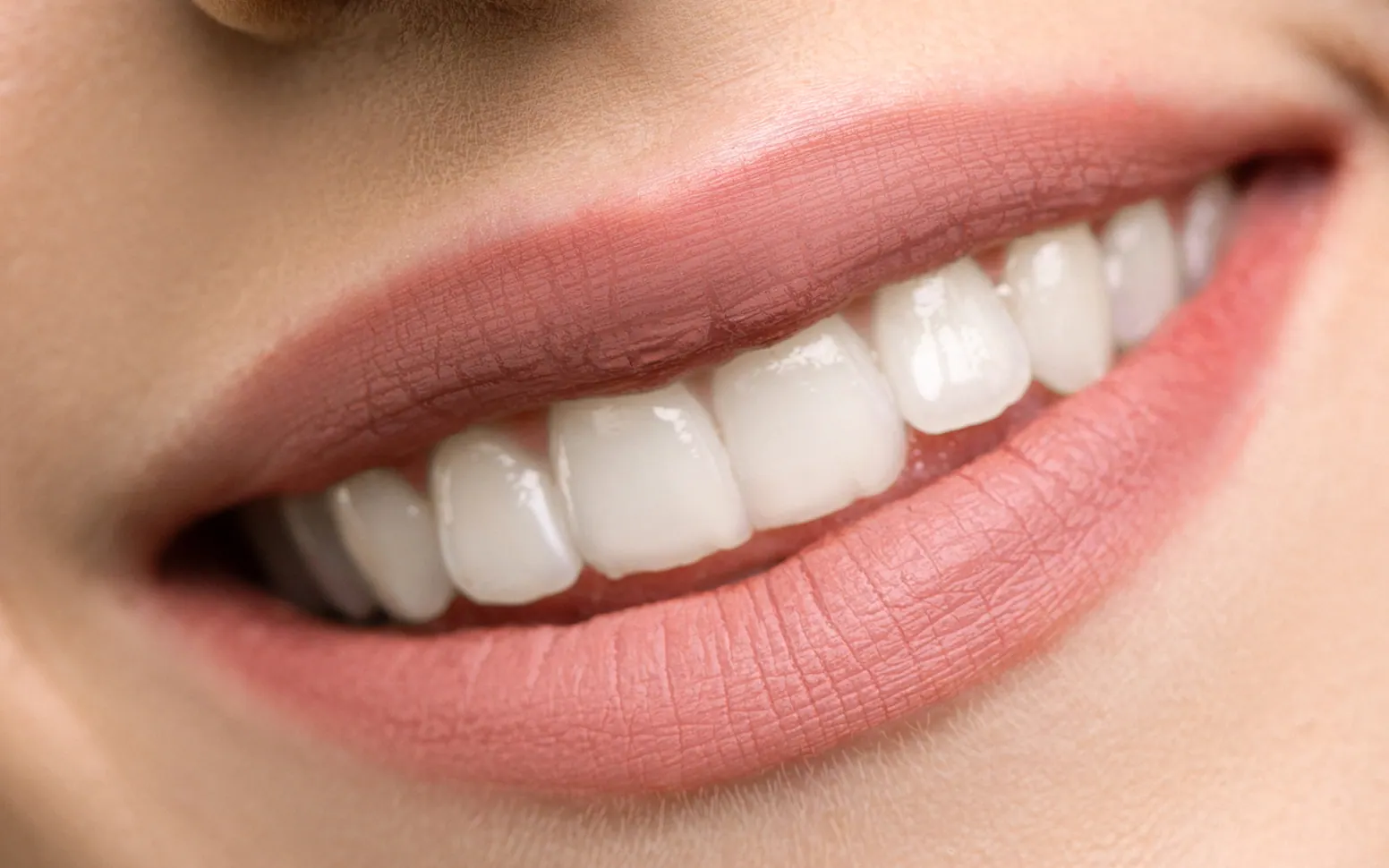
A good rinse can be a helpful extra in a gum care routine, but it does not replace brushing, cleaning between teeth or a dental checkup. Here is how to choose and use one sensibly.
The bathroom shelf tells its own story. A bottle of mint-green rinse, a second one in blue that was on offer, and a third that promises everything from fresh breath to stronger gums. Mouthwash is easy to buy and pleasant to use, which makes it tempting to think of as the main event. For gums, it works best as a supporting player.
Where gum trouble usually starts
Healthy gums are firm, pink and sit snugly around the teeth. Trouble usually begins with plaque, the soft film of bacteria that builds up along the gumline every day. If it is not removed, the gums can become red, puffy and prone to bleeding when you brush. Left alone for longer, plaque can harden into tartar, which a toothbrush cannot shift.
The main defense is mechanical: brushing twice a day and cleaning between your teeth with floss, interdental brushes or a water flosser. A rinse can reach places a brush misses and freshen your mouth, but it cannot scrub plaque away. Our main guide on improving your gum health covers that daily routine in more detail.
The main kinds of rinse
Cosmetic rinses
These mainly mask bad breath and leave a fresh taste. They are fine for that purpose but do little for the gums themselves.
Antibacterial or antiseptic rinses
These contain ingredients aimed at reducing bacteria in the mouth. Some are sold over the counter; stronger ones are sometimes recommended by a dentist for a limited period, for example after a procedure. Some can stain teeth or change taste if used for a long time, so follow the label or your dentist's advice on how long to use them.
Fluoride rinses
These are aimed mostly at protecting tooth enamel rather than gums, but they can be useful if you are prone to cavities.
Alcohol-free versions
Many rinses come in alcohol-free form. If you find regular mouthwash stings, dries your mouth or irritates sensitive gums, an alcohol-free option may be more comfortable. They are also the usual choice for anyone avoiding alcohol for other reasons.
Using a rinse the sensible way
- Read the label for the amount and the time to swish; more is not better.
- Swish around the teeth and gums, then spit it out. Do not swallow it.
- Consider using it at a different time from brushing, such as after lunch, so you get an extra clean in the day.
- If you use a fluoride toothpaste, ask your dentist whether to rinse straight after brushing, since rinsing can wash some of the toothpaste away.
- Keep mouthwash out of reach of young children, and check with a dentist before giving any rinse to a child.
What mouthwash will not fix
It is worth being plain about the limits. A rinse will not remove tartar, will not reverse gum disease that has already progressed, and will not make up for skipped brushing or flossing. Covering up bad breath with a strong rinse can also hide a sign that something needs attention.
That is why a regular cleaning with a dentist or dental hygienist matters. They can remove buildup you cannot reach at home and spot early changes in your gums long before you would notice them yourself.
Signs to have your gums looked at
- Gums that bleed regularly when you brush or floss.
- Persistent redness, swelling or tenderness.
- Gums that seem to be pulling back from the teeth.
- A sour taste or bad breath that lingers despite brushing.
- Teeth that feel loose or a bite that seems to have changed.
- Pain, a swelling on the gum, or pus.
Any of these is a reason to book an appointment with a dentist or hygienist rather than reaching for a stronger rinse. If you are unsure where to go, our article on finding a good dentist has some practical pointers.
Where a rinse fits in
Think of your gum routine as layers. Brushing and cleaning between teeth do the heavy lifting. Regular dental visits catch what you miss. A mouthwash, chosen to suit your mouth and used as directed, can sit on top as a small extra. If you are unsure which type makes sense for you, your dentist or hygienist can suggest one at your next checkup.
Running alongside
| Bib | Article | Written | min |
|---|---|---|---|
| 034 | How to Choose the Right Ashwagandha Supplement: Capsules, Powders, and More | Jun 18, 2025 | 03 |
| 033 | A Medical Spa Offers Treatments To Enhance Your Appearance | Dec 18, 2024 | 03 |
| 030 | Demystifying Creatine: Fact or Fiction? | May 15, 2023 | 03 |
| 028 | Mastering the pH Balance for Radiant Skin | Apr 25, 2023 | 03 |