Bib044
Exercises for Menopause: Strength, Cardio, Balance and Rest
- Topic
- Exercise
- Written
- Read in
- 4 min
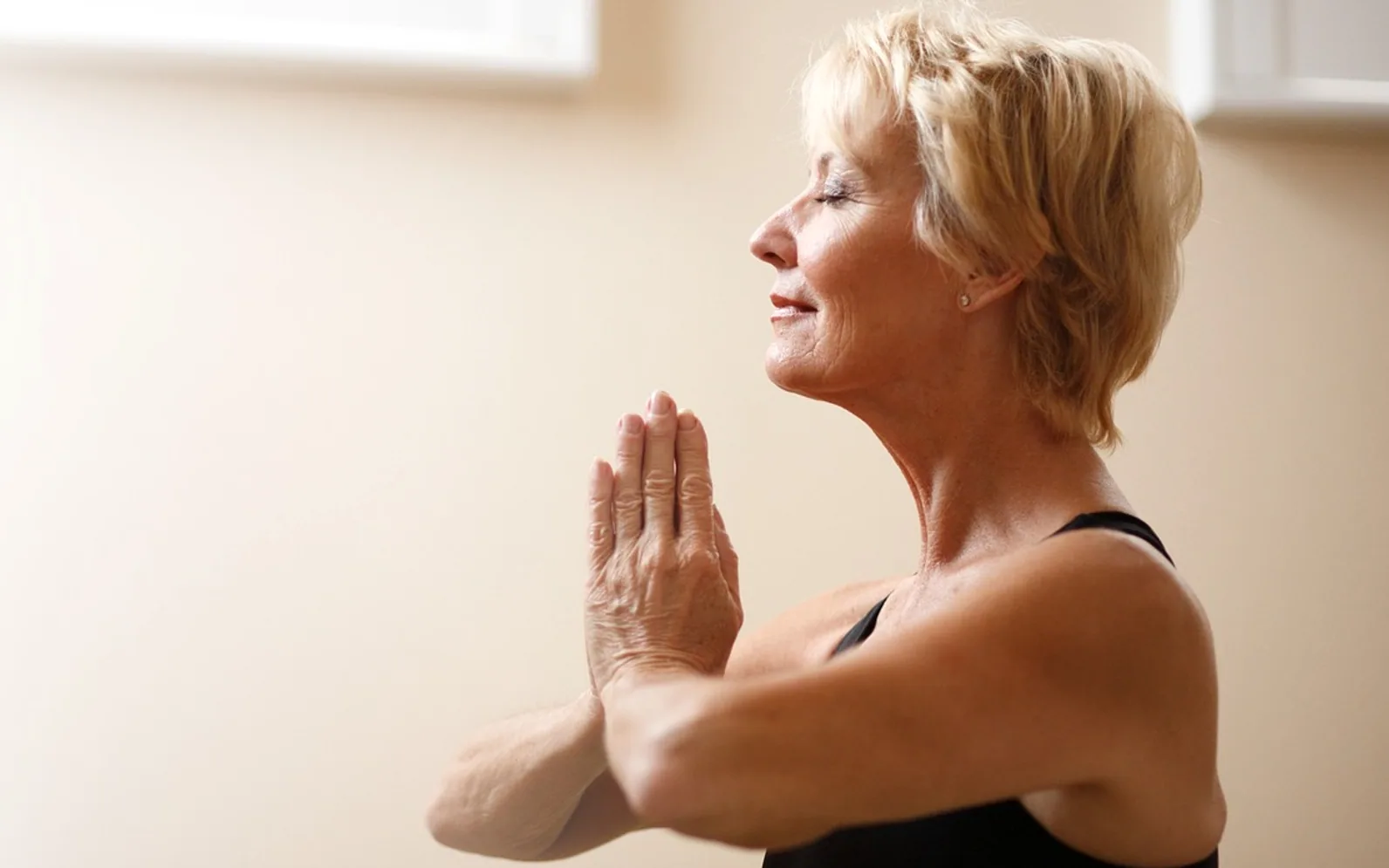
There is no single menopause workout. A mix of strength training, moderate cardio, balance and stretching covers the bases, and a flexible week makes it easier to stick with when sleep and energy wobble.
The most useful exercises for menopause are a mix rather than one special move: muscle-strengthening work two or more days a week, regular moderate cardio such as brisk walking or cycling, some balance practice and a little stretching. Together they support muscles, bones, the heart, mood and sleep at a time when hormonal changes can affect all of them.
Exercise will not switch off symptoms, and it is not a replacement for medical advice. What it can do is give you more strength and steadiness for the years ahead and, for many women, a little more control over how the day feels.
Why movement matters more now
As estrogen levels fall around menopause, muscle mass and bone density tend to decline more quickly than before, and fat can shift towards the middle of the body. Sleep often becomes lighter and mood can swing. None of this happens in exactly the same way for everyone, but these are the areas where regular activity tends to help most.
- Muscle: strength training is the main way to hold on to muscle as you age.
- Bone: weight-bearing and impact exercise put useful load through the skeleton.
- Heart: cardio keeps the heart and blood vessels working well.
- Mood and sleep: many women find that regular movement eases tension and helps them sleep more soundly.
Before starting anything new, talk to your doctor if you have a heart condition, osteoporosis or a history of fractures, pelvic floor problems, joint pain, or any symptom that worries you. They can help you decide which kinds of exercise to favour and which to adapt.
Strength training
If you only add one type of exercise, make it this. Lifting weights, using resistance bands or doing bodyweight moves asks the muscles to work against a load, which is what encourages them to stay strong.
Moves to start with
- Sit-to-stand from a chair, or squats when that feels easy
- Wall push-ups, then counter push-ups, then floor push-ups on the knees
- Step-ups onto a low, stable step
- Rows with a resistance band looped around a door handle or post
- Glute bridges lying on the floor
- Carrying shopping bags or light dumbbells for a short walk
Choose a load that makes the last few repetitions feel genuinely hard while your form stays clean. Start with one or two sets of each move and build slowly. A qualified trainer or physical therapist can check your technique, which is worth doing if you are new to weights.
Cardio that suits you
Moderate cardio means anything that warms you up and makes you breathe faster while you can still talk. Brisk walking, cycling, swimming, dancing, rowing and climbing stairs all count. If your joints are happy with it, a climb up the stairs at home or work adds both cardio and leg strength, and the advice on walking up stairs for exercise explains how to start without overdoing it.
Short bursts are fine. Three ten-minute walks spread through the day count just as much as one longer outing, and they can be easier to fit around work or caring duties.
Balance and flexibility
Balance tends to get less attention than it deserves, and it matters more each decade. Standing on one leg while you brush your teeth, walking heel to toe along a hallway, or joining a tai chi or yoga class all train the body to stay steady. Gentle stretching after a walk or strength session helps keep hips, shoulders and the back comfortable.
A sample week
| Day | Main session | Extra |
|---|---|---|
| Monday | Strength, whole body, 25 to 35 minutes | Short stretch |
| Tuesday | Brisk walk, 30 minutes | Balance practice |
| Wednesday | Swim, cycle or dance class | None |
| Thursday | Strength, whole body | Short stretch |
| Friday | Easy walk or rest | Balance practice |
| Saturday | Longer walk or active outing | None |
| Sunday | Rest or gentle yoga | None |
Treat this as a template rather than a rule. If a bad night leaves you drained, swap a strength day for an easy walk and move the session later in the week.
Working around symptoms
Hot flashes
Exercise in a cool room or in the early morning, wear breathable layers you can peel off, and keep cold water nearby. Some women find intense sessions trigger flashes; if that happens, try steadier efforts instead.
Low energy and poor sleep
On tired days, a short session is better than none. Exercising earlier in the day may also help sleep, while a hard workout late in the evening can leave some people wired. When motivation runs low, ideas for finding the motivation to work out can get you out of the door.
Joint aches and pelvic floor
Low-impact options such as cycling, swimming and walking are kinder on sore joints. If you notice leaking when you jump, cough or lift, mention it to a doctor or a pelvic health physical therapist; there are exercises for that too, and it is a common, treatable problem.
Exercise, food and supplements
Training works best alongside enough protein, calcium-rich foods, vitamin D and good sleep. Some women also look at supplements during this stage; a summary of the supplements commonly discussed for menopause covers the main options, and a doctor or pharmacist can tell you whether any of them fit with your health and medicines.
Quick questions
Is it too late to start lifting weights?
No. Muscles respond to training at any age. Start light, learn good form, and increase the load gradually.
Should I avoid high-impact exercise?
Not necessarily. For many women, some impact helps bones. If you have osteoporosis, joint problems or pelvic floor symptoms, ask a professional which kinds of impact are safe for you.
How soon will I notice a difference?
Many people feel steadier and more energetic within a few weeks of regular activity, while changes in strength take longer. Keep a simple log so you can see progress you might otherwise miss.
Running alongside
| Bib | Article | Written | min |
|---|---|---|---|
| 045 | Warm-Up Exercises for Walking: Five Minutes Before You Head Out | Nov 5, 2026 | 03 |
| 043 | Walking Exercise for Seniors: Building a Safe, Steady Routine | Oct 29, 2026 | 05 |
| 041 | Walking Up Stairs for Exercise and How to Start Safely | Oct 8, 2026 | 03 |
| 040 | Walking in Place for Exercise - A Simple Indoor Routine That Actually Works | Oct 8, 2026 | 03 |