Bib040
Walking in Place for Exercise - A Simple Indoor Routine That Actually Works
- Topic
- Exercise
- Written
- Read in
- 3 min
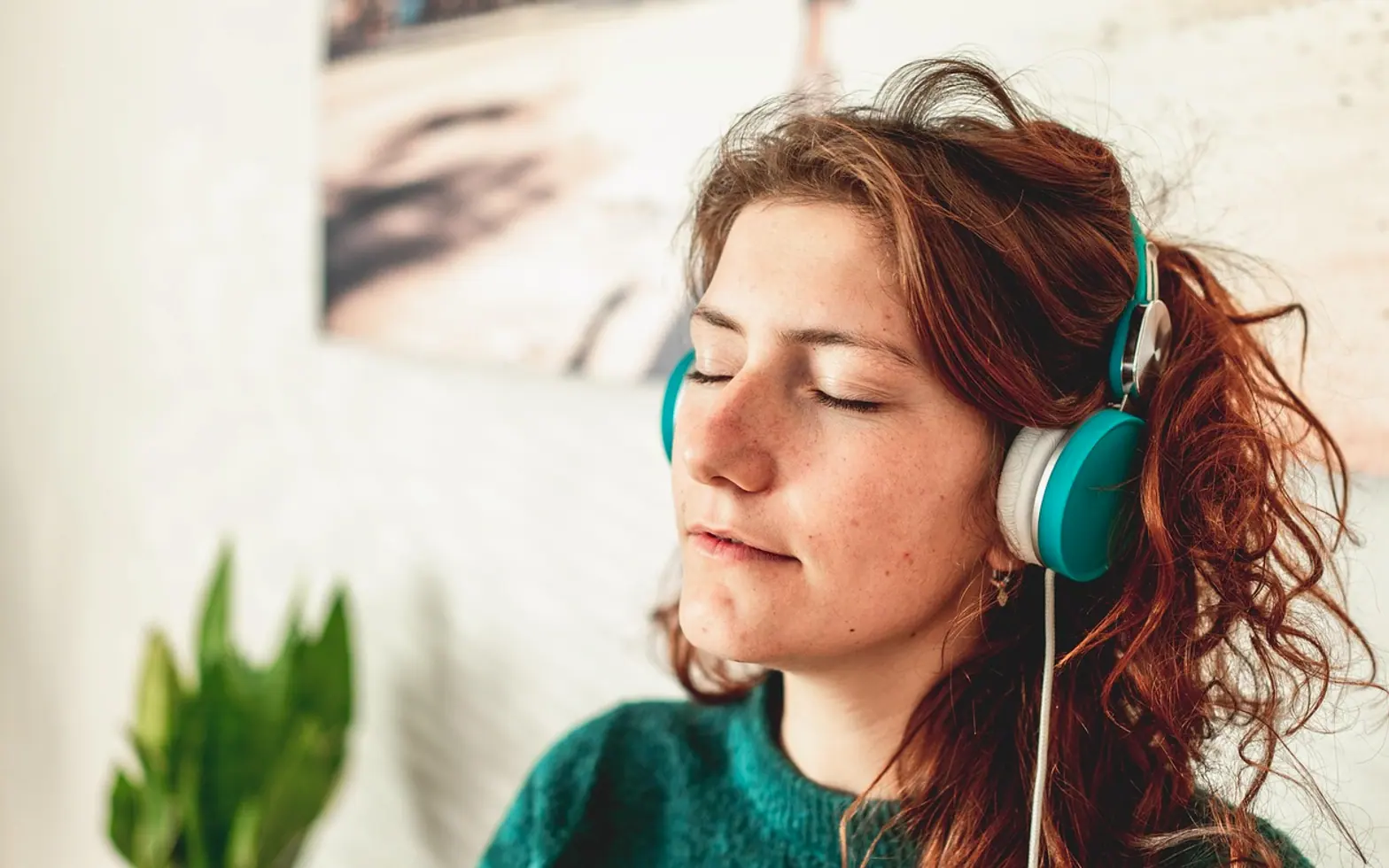
No sidewalk, no gym and no special gear needed. Walking in place turns a few square feet of floor into a workout, and with a few changes it can be easy, moderate or surprisingly tough.
A patch of floor the size of a doormat is enough. That is the appeal of walking in place: it needs no weather report, no membership and no plan more elaborate than "start the timer." For anyone who works from home, cares for small children, lives somewhere with unsafe sidewalks or simply hates going out in the cold, it is one of the easiest ways to move more.
What walking in place does well
It keeps you upright and moving, which is a welcome change from a chair. It raises your heart rate a little, more if you lift your knees or speed up. It adds steps to your daily count, and it can be done in short bursts between other tasks. It is also gentle on the joints for most people, because your feet land softly and there is no downhill pounding.
What it does not do is replace everything. You will not get the scenery, the fresh air or the uneven ground of an outdoor walk, and on its own it does little for upper body strength. Think of it as a dependable tool rather than a complete program.
Getting the form right
- Stand tall, shoulders relaxed and down, eyes forward rather than on your feet.
- Lift each foot so the heel clears the floor; land softly on the ball of the foot and roll back to the heel.
- Swing your arms naturally, elbows slightly bent.
- Keep your core lightly engaged, as if you were about to be gently nudged.
- Wear supportive shoes on hard floors; socks on tile are asking for a slip.
If balance is a concern, stand next to a kitchen counter or the back of a sturdy chair so you can touch it if needed.
A 20-minute starter routine
| Minutes | What to do |
|---|---|
| 0–3 | Easy marching, small steps, relaxed arms |
| 3–8 | Steady pace, knees a little higher, arms swinging |
| 8–10 | Faster pace, as if you were late for a bus |
| 10–13 | Back to steady pace |
| 13–15 | Faster pace again, or high knees if comfortable |
| 15–18 | Steady pace with side steps every thirty seconds |
| 18–20 | Slow down gradually, then a few gentle calf and hip stretches |
Not up for twenty minutes yet? Do the first ten and stop. Short sessions spread across the day still add up, which is one reason walking in place works well for anyone trying to reach 10,000 steps a day without leaving the house.
Turning up the difficulty
Once the basic routine feels easy, change one thing at a time:
- Higher knees: bring each knee toward hip height for short intervals.
- Faster cadence: match your steps to an upbeat song.
- Arm work: punch forward or press your hands overhead as you march.
- Light weights: hold a water bottle or a can in each hand.
- Add moves: every few minutes, slip in ten squats or a set of calf raises before marching again.
Increase effort gradually, and back off if anything hurts rather than just tires. If you have heart, joint or balance problems, or have been told to limit exercise, check with your doctor about a safe level first.
Keeping it from getting boring
Marching on the same spot can feel a little like a hamster wheel. A few ideas help:
- Walk in place during a TV episode and stop when the credits roll.
- Use ad breaks or the time between video calls as built-in sessions.
- Build a playlist where the tempo rises and falls; let the music set the pace.
- Move around the room: march a few steps forward, back, and side to side.
- Do it on a phone call with a friend who is doing the same thing.
Motivation can still dip. If it does, our guide on finding the motivation to work out has tactics for getting started on the days you would rather not.
Slotting it between the kettle and the commute
The best thing about walking in place is that it slots into gaps. Two minutes while the coffee brews, five while the oven preheats, ten during a podcast. None of them feels like a workout, but by evening you will have moved far more than if you had waited for a free hour that never came. Start small, keep it regular, and let the floor in front of the sofa become part of your training ground.
Running alongside
| Bib | Article | Written | min |
|---|---|---|---|
| 041 | Walking Up Stairs for Exercise and How to Start Safely | Oct 8, 2026 | 03 |
| 039 | How to Get Motivation to Work Out When You Really Don't Feel Like It | Oct 8, 2026 | 04 |
| 019 | What are keto and carb cycling diets and what is the right choice for you? | Feb 22, 2020 | 03 |
| 009 | Bikini Body Guide and Getting Ready for Summer | Jul 2, 2017 | 03 |