Beginner’s Guide
If you have not exercised in a long while, the internet can make it feel as if you are already behind. You are not. This route strings together a handful of our existing guides in the order we would read them ourselves if we were starting from zero. Take a week per stage, or longer. Nothing here is a race.
One note before setting off: if you have a heart, lung or joint condition, are pregnant, or simply have not been checked in years, a quick conversation with your doctor before stepping up activity is sensible.
Stage 1: Sort out the why
Motivation is usually the first thing to run out, so start there. How to Get Motivation to Workout looks at why the urge to move comes and goes, and what to do on the days it does not show up. Read it, then pick one reason that genuinely matters to you and write it somewhere you will see.
Stage 2: Move without leaving the house
Walking in Place for Exercise is the easiest entry point we know. It needs no kit, no weather and no audience. A few minutes during the TV news or a phone call is a perfectly good start.
Stage 3: Use the stairs you already have
Once walking in place feels routine, try the steps at home, at work or at the station. Walking Up Stairs for Exercise explains how to build up gradually and when to ease off if knees complain.
Stage 4: Start counting, loosely
Steps are a handy way to see how much of your day involves moving. Begin with Is 5000 Steps a Day Good? to set a realistic first marker, then read How to Get 10000 Steps a Day for ideas on widening your radius later. Treat both numbers as signposts, not tests.
Stage 5: Decide whether a tracker helps
Some people love a wrist counter; others find it nags. Why One Should Get a Fitness Tracker lays out what one can and cannot do, so you can decide before spending money.
Stage 6: Keep it going
The middle months are where most plans quietly stop. How to Motivate Yourself to Be Fit has ways to keep the habit alive after the novelty wears off.
A word on food
Moving more often raises questions about eating. Intermittent fasting comes up a lot, and How to Fight Fat with Intermittent Fasting explains the basic idea, while Water During Intermittent Fasting covers staying hydrated through an eating window. Please note that fasting is not for everyone. People with diabetes, those on regular medication, anyone pregnant or with a history of eating problems should talk to a doctor or dietitian first, and many people do well without fasting at all.
A gentle route
Four guides for the first month of moving more
Read them in this order and each one builds on the last.
-
 How to Get Motivation to Work Out When You Really Don't Feel Like ItGetting started when you honestly do not feel like it.4 min
 -
 Walking in Place for Exercise - A Simple Indoor Routine That Actually WorksAn indoor routine for days when the weather wins.3 min
 -
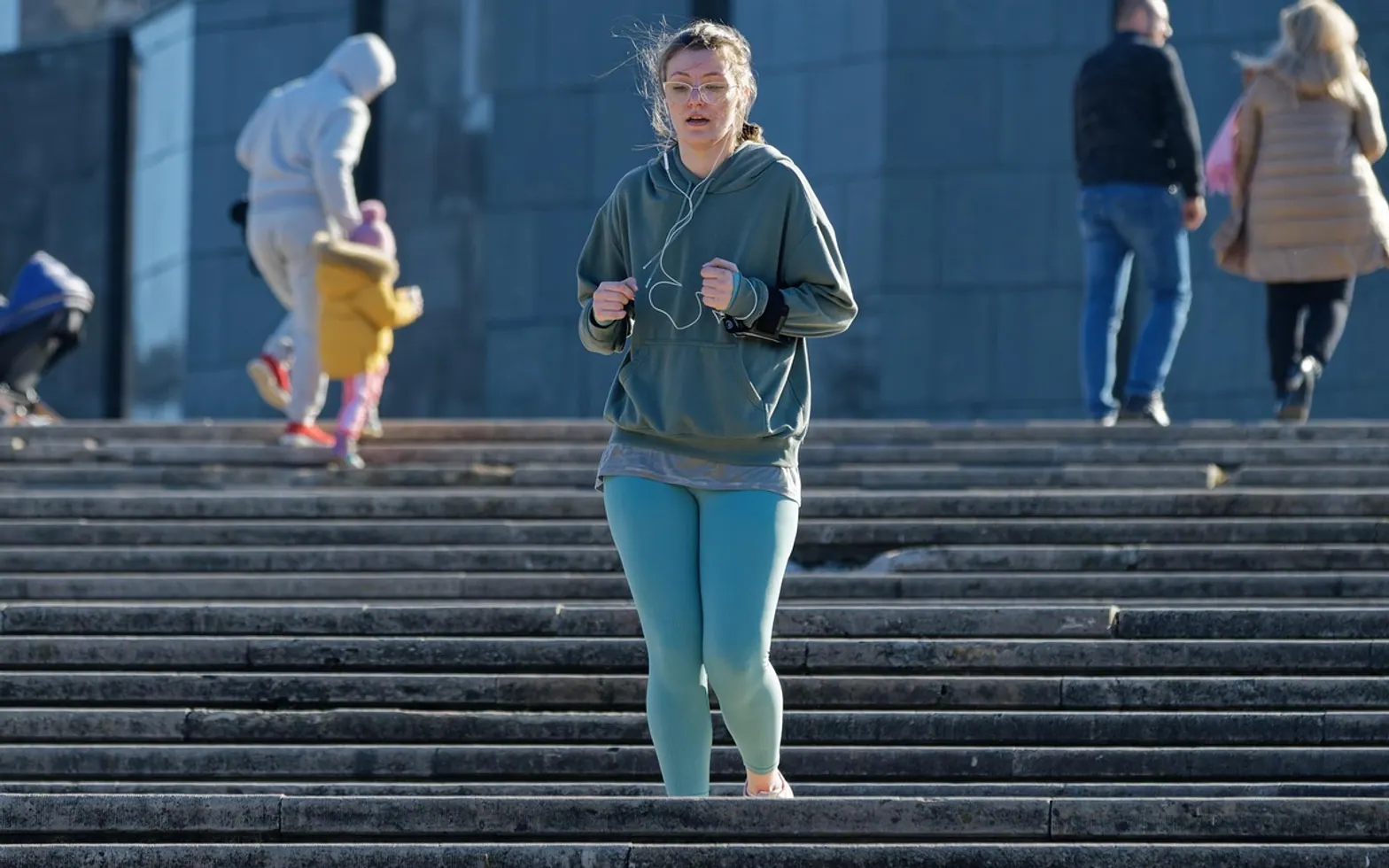 Walking Up Stairs for Exercise and How to Start SafelyTurning the stairs you already climb into training.3 min
 -
 How to Get 10,000 Steps a Day Without Rebuilding Your ScheduleStretching the daily total without rebuilding your schedule.4 min
Browse by topic
- Health24 piecesMouthwash for Gum Health and What a Rinse Can and Cannot Do
- Lifestyle12 piecesTop Argo Air Conditioner Models: Benefits and Pricing
- Fitness11 piecesWalking Up Stairs for Exercise and How to Start Safely
- Nutrition & Medicine9 piecesWater During Intermittent Fasting and What Else You Can Drink
- Exercise8 piecesWalking Up Stairs for Exercise and How to Start Safely
- Fitness App2 piecesIs 5,000 Steps a Day Good? What That Number Really Tells You