Bib001
Why One Should Get a Fitness Tracker
- Topic
- Exercise
- Written
- Read in
- 3 min
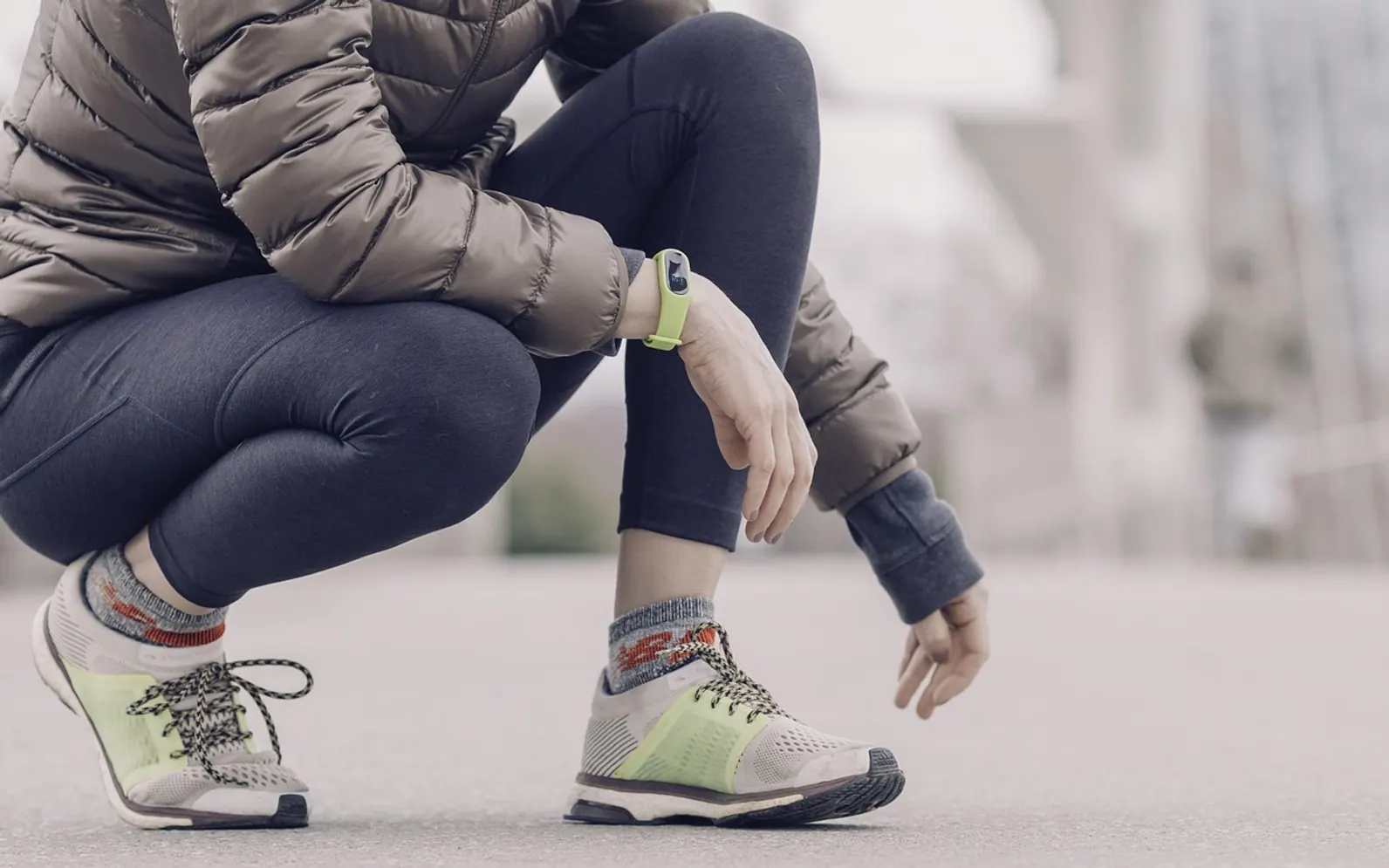
The old clip-on pedometer did one thing: it counted steps, more or less, until it fell off your belt in a parking lot. Today's wrist trackers do a lot more, and they…
The old clip-on pedometer did one thing: it counted steps, more or less, until it fell off your belt in a parking lot. Today's wrist trackers do a lot more, and they have become a common sight on commuters, office workers and grandparents alike. Whether one is worth having depends less on the technology than on how you plan to use it.
What a modern tracker measures
Most current devices combine several sensors in a small band or watch. Typical measurements include:
- steps and distance walked
- heart rate, during exercise and at rest
- active minutes and workout type, often detected automatically
- estimated calories burned
- sleep duration and patterns
- on some models, GPS routes, skin temperature or blood oxygen readings
Many are water-resistant enough for swimming and tough enough for hiking or a weekend of camping, with batteries that last several days between charges.
Small nudges that add up over a day
The real value of a tracker is awareness. Plenty of people are surprised to see how little they move on a desk-bound workday compared with a weekend of errands. Seeing that number can be enough to prompt a walk around the block at lunch, a phone call taken on foot, or parking at the far end of the lot.
Gentle reminders to stand up after a long stretch of sitting help break up the day. Daily goals and weekly summaries make progress visible, which many people find motivating in a way that vague intentions are not.
Better information about sleep and rest
Sleep tracking will not tell you exactly what happens in your brain, but it can reveal patterns: going to bed later than you thought, waking often on certain nights, or sleeping less during busy weeks. Resting heart rate trends can also hint that you are run down or need an easier day after hard training.
Used this way, a tracker supports better routines, such as a steadier bedtime or more recovery days, rather than providing a verdict.
Choosing a tracker that fits your life
Before buying, think about what you actually want to know. A few practical questions narrow the choice:
- Main activity: walkers need little more than steps and heart rate; runners and cyclists may want built-in GPS.
- Comfort: you will only benefit if you wear it, including at night if sleep matters to you.
- Battery life: a device that needs charging every day is easy to forget.
- Phone compatibility and app: check that the app is clear and works with your phone.
- Privacy settings: see what data is shared and how you can control it.
Where the numbers fall short
Trackers estimate rather than measure perfectly. Calorie counts in particular can be off, and heart rate readings may lag during quick changes in effort. Treat the figures as a guide to trends over time, not precise lab values.
It is also worth watching your own reaction. Some people find that chasing numbers turns into stress. If that happens, switch off some notifications or focus on just one goal. A tracker is not a medical device in most cases; unusual readings, chest pain, dizziness or shortness of breath call for a conversation with a doctor rather than a check of the app. Worn with that in mind, a fitness tracker can be a simple, steady companion for moving a little more each day.
Running alongside
| Bib | Article | Written | min |
|---|---|---|---|
| 041 | Walking Up Stairs for Exercise and How to Start Safely | Oct 8, 2026 | 03 |
| 040 | Walking in Place for Exercise - A Simple Indoor Routine That Actually Works | Oct 8, 2026 | 03 |
| 039 | How to Get Motivation to Work Out When You Really Don't Feel Like It | Oct 8, 2026 | 04 |
| 019 | What are keto and carb cycling diets and what is the right choice for you? | Feb 22, 2020 | 03 |