Bib003
How to Motivate Yourself to Be Fit
- Topic
- Fitness
- Written
- Read in
- 3 min
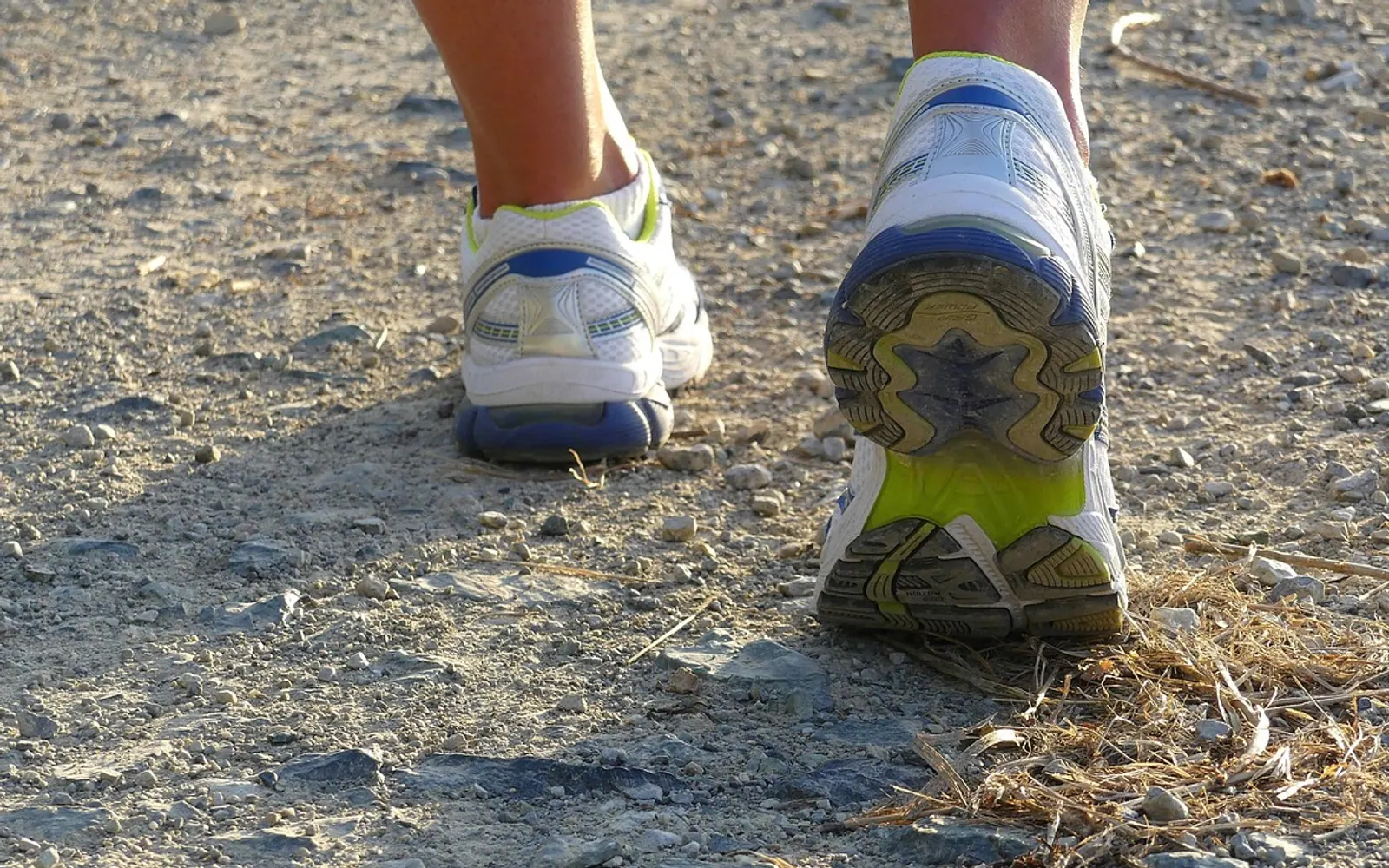
Most people do not lack reasons to exercise. They know it helps sleep, mood and energy, and they have probably told themselves so many times. The trouble is that those benefits arrive…
Most people do not lack reasons to exercise. They know it helps sleep, mood and energy, and they have probably told themselves so many times. The trouble is that those benefits arrive slowly and quietly, while the couch, the phone and the warm bed offer something right now. Motivation tends to win when the reward feels close.
Why "getting healthy" is a weak reward on its own
Long-term goals are important, but your brain responds much more strongly to things that happen soon after an action. A better heart in ten years is real, yet it is hard to feel on a rainy Tuesday evening. That gap explains why so many plans fade after the first few weeks.
Willpower alone is a poor tool for this job. It is building small, immediate rewards around the workout so the habit gets reinforced every time you do it.
Pair the workout with something you look forward to
Pick a pleasure and tie it to exercise. A few examples:
- Save a favorite podcast or a series episode for the treadmill or the stationary bike only.
- Make a fruit smoothie the post-workout ritual, not an anytime snack.
- Walk to the good coffee place on a Saturday morning instead of driving.
- Book a long hot shower or a quiet half hour with a book for after the gym.
The key is that the reward is genuinely enjoyable and follows the activity reliably. Over time, the workout itself starts to feel like part of the treat.
Make starting almost too easy
The hardest part of a workout is often the first five minutes. Lower that hurdle as far as you can. Lay out your clothes the night before. Keep a gym bag in the car. Decide on a set time, such as right after work or during the lunch break, so there is no daily negotiation.
Set a starting goal that sounds almost silly: ten minutes of walking, one set of squats while the kettle boils. On most days you will do more once you have begun, and on the days you do not, you have still kept the habit alive.
Bring in other people
Accountability is a strong motivator. Arrange a regular walk with a neighbor, join a class where the instructor notices when you are missing, or share a simple weekly goal with a friend. Some people use commitment contracts or small bets with friends; the details matter less than the feeling that someone else is expecting you.
Tracking helps too. A paper calendar with a cross for each active day can be surprisingly satisfying, because nobody likes breaking a visible streak.
Plan for the days you miss
Everyone skips workouts. Illness, deadlines and family events will get in the way, and that is normal. What matters is how quickly you return. A simple rule like "never miss twice in a row" keeps one off day from becoming a lost month.
Be kind in how you talk to yourself about it. Guilt rarely gets anyone back into running shoes; a plan for tomorrow does.
Choosing activity that fits your life
You will stick with movement you actually enjoy. If the gym feels like a chore, try cycling to work, dancing, swimming, gardening or a team sport. Variety keeps things interesting and spreads the load across different muscles.
If you have been inactive for a long time, have a health condition or feel pain or dizziness during exercise, check in with your doctor before stepping things up. Start where you are, reward yourself along the way, and let consistency do the slow, steady work.
Running alongside
| Bib | Article | Written | min |
|---|---|---|---|
| 041 | Walking Up Stairs for Exercise and How to Start Safely | Oct 8, 2026 | 03 |
| 037 | Is 5,000 Steps a Day Good? What That Number Really Tells You | Oct 8, 2026 | 04 |
| 036 | How to Get 10,000 Steps a Day Without Rebuilding Your Schedule | Oct 8, 2026 | 04 |
| 030 | Demystifying Creatine: Fact or Fiction? | May 15, 2023 | 03 |