Bib043
Walking Exercise for Seniors: Building a Safe, Steady Routine
- Topic
- Fitness
- Written
- Read in
- 5 min
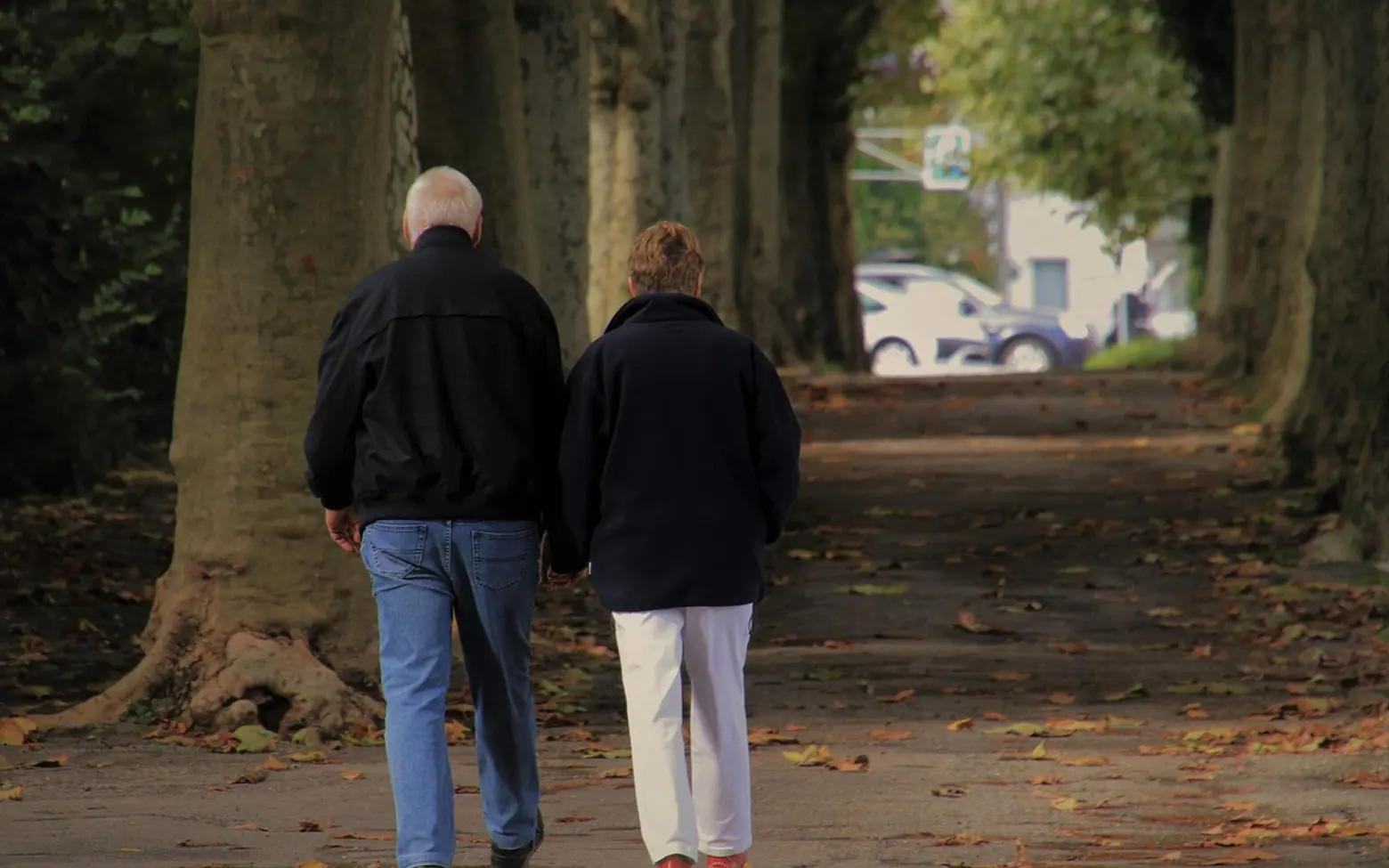
Walking asks for no gym, no membership and no special skill, which makes it one of the easiest ways for older adults to stay active. A gentle plan, good shoes and a few safety habits make it last.
The kettle is on, the morning paper is folded, and the question is the same as yesterday: go round the block now, or after lunch? For many people past their sixties, that short loop around the neighborhood is the most reliable exercise in the week. It needs no booking, no equipment beyond a decent pair of shoes, and it can grow or shrink with the day.
Walking is not a lesser workout because it is simple. Done regularly, it keeps legs working, gives the heart and lungs something to do, gets you outside and often puts you in the path of a neighbor or two. The trick for older walkers is less about pushing hard and more about building a routine that is safe, enjoyable and easy to repeat.
Check in before you start
If you have a heart or lung condition, diabetes, joint problems, a recent fall or surgery, or you take medicines that affect balance or blood pressure, talk to your doctor or a physical therapist before you begin a new walking plan. They can tell you what pace suits you, whether a cane or walker would help, and which warning signs matter in your case.
Whatever your health, stop walking and get help if you feel chest pain or pressure, sudden shortness of breath, faintness, confusion or a pain that does not ease when you rest.
What to wear and carry
- Shoes: a closed shoe with a firm heel, a cushioned sole with some grip and enough room for the toes. Slippers, worn-out trainers and smooth-soled shoes are a common cause of trips.
- Socks: soft, seamless socks reduce rubbing, which matters if you have reduced feeling in your feet.
- Layers: a light jacket you can tie around your waist works better than one heavy coat.
- Phone and ID: a charged phone and a note of who to call are worth carrying even on short loops.
- Water: on warm days or longer walks, a small bottle helps.
A gentle first month
There is no prize for starting fast. A routine that begins short and grows slowly is far more likely to still be in place next season. The plan below is only a sketch; adjust it to how you feel and to whatever your doctor has told you.
| Week | How long | How often | Pace |
|---|---|---|---|
| 1 | 5 to 10 minutes | Most days | Easy, could chat comfortably |
| 2 | 10 to 15 minutes | Most days | Easy, slightly brisker at the end |
| 3 | 15 to 20 minutes, or two shorter walks | Most days | Comfortable, breathing a little faster |
| 4 | 20 to 30 minutes, or split into chunks | Most days | A pace where talking is possible but singing is not |
Splitting the time is perfectly fine. Two ten-minute walks, one after breakfast and one after dinner, can be easier on the joints than one longer outing. If you count steps, a modest target can be more motivating than a big one, and our look at whether 5,000 steps a day is a good goal explains how to treat that kind of number.
Choosing where to walk
The route matters almost as much as the distance. Look for even sidewalks, good lighting, places to sit and somewhere to turn back if you tire. Parks with paved paths, quiet residential streets and the corridors of an indoor shopping mall on a cold morning are all good options.
On days when the weather or the sidewalks are against you, walking indoors still counts. Marching on the spot in the living room, holding the back of a sturdy chair if needed, keeps the habit alive, and the routine in walking in place at home can be done in short bursts during TV commercial breaks.
Staying steady on your feet
Falls are the risk older walkers worry about most, and a few habits lower that risk:
- Look a few steps ahead rather than straight down at your feet.
- Take normal-sized steps; very short shuffling steps catch more easily on uneven ground.
- Slow down on slopes, curbs, wet leaves and anything shiny.
- Use handrails on steps and do not carry bags in both hands.
- Walk in daylight where possible, and wear something light-colored or reflective after dark.
- If a cane or walking poles have been recommended, use them every time, not only on bad days.
Simple balance practice at home, such as standing on one leg while holding a counter, or rising from a chair without using your hands, can make walking feel more secure. A physical therapist can show you which exercises suit you.
Walking with company
Many older adults keep walking for years because someone else is expecting them. A friend at the gate at nine, a walking group at the community center or a grandchild who likes the park all turn exercise into an appointment. Company also adds a layer of safety on longer routes.
For people who live alone and find it harder to get out, a carer or support worker can sometimes walk alongside on short outings. Families weighing up that kind of help may find it useful to read about what in-home care for elderly relatives can offer, since everyday mobility is often part of the support.
Keeping track without fuss
A notebook by the door is enough to record the date and how long you walked. Some people prefer a simple step counter or watch that shows progress at a glance and gives a gentle nudge after a long sit. If that appeals, there are good reasons to wear a basic fitness tracker, as long as the numbers stay a guide rather than a judge.
Signs you are ready to do a little more
- Your usual walk feels easy and you recover quickly afterwards.
- You are not sore the next morning.
- You find yourself extending the route without meaning to.
When those signs appear, add a few minutes or one gentle hill, not both at once. And on days when energy is low or joints are grumbling, a shorter walk is still a walk. Consistency over months matters more than any single outing.
Running alongside
| Bib | Article | Written | min |
|---|---|---|---|
| 041 | Walking Up Stairs for Exercise and How to Start Safely | Oct 8, 2026 | 03 |
| 037 | Is 5,000 Steps a Day Good? What That Number Really Tells You | Oct 8, 2026 | 04 |
| 036 | How to Get 10,000 Steps a Day Without Rebuilding Your Schedule | Oct 8, 2026 | 04 |
| 030 | Demystifying Creatine: Fact or Fiction? | May 15, 2023 | 03 |