Bib038
Water During Intermittent Fasting and What Else You Can Drink
- Topic
- Nutrition & Medicine
- Written
- Read in
- 4 min
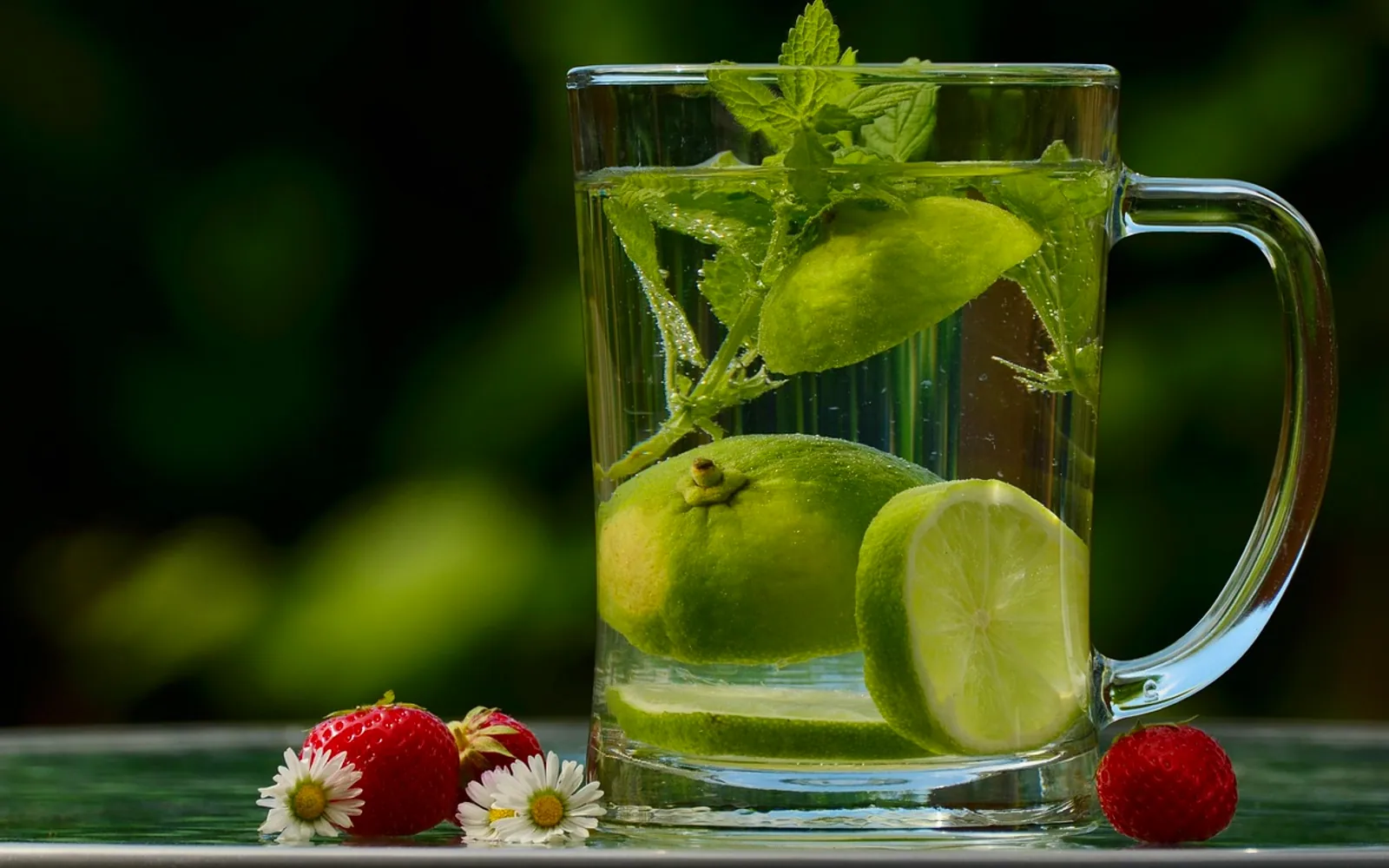
Plain water is welcome during an intermittent fast, and staying hydrated can make the hours easier. Here is what you can drink, what quietly breaks a fast, and how to keep water intake steady.
One question comes up more than any other when people start time-restricted eating: can I drink water while fasting? Yes. Plain water has no calories and does not break a fast. In fact, keeping a glass nearby is one of the simplest ways to make the fasting hours more comfortable.
The trickier part is everything else in the cupboard. Coffee, tea, sparkling water, flavored drops and sports drinks all sit somewhere on a scale from "fine" to "that was a snack."
Why water matters more when you eat less often
A fair amount of the fluid you take in normally comes from food: soups, fruit, vegetables, yogurt. When you compress your meals into a shorter window, that source shrinks for part of the day. You may also lose the habit of drinking with meals simply because there are fewer of them.
Mild dehydration can show up as headaches, tiredness, a dry mouth or feeling light-headed, which are easy to blame on hunger. Drinking regularly through the fast can make it much clearer which is which. Sometimes what feels like a craving is mostly thirst.
What you can drink while fasting
| Drink | During the fast? | Notes |
|---|---|---|
| Plain water, still or sparkling | Yes | The default choice |
| Water with a slice of lemon or cucumber | Generally yes | Keep it to a slice, not a squeezed fruit |
| Black coffee | Generally yes | Can be harsh on an empty stomach for some people |
| Plain tea, green tea, herbal tea | Generally yes | Without milk, sugar or honey |
| Coffee or tea with milk, cream or sugar | No | These add calories |
| Juice, smoothies, regular soda | No | Save for the eating window, if at all |
| Diet soda, sweetened drops | Debated | No calories, but opinions differ; plain water is the safer bet |
Approaches vary on the grey areas. Some people allow a splash of milk in the morning coffee and accept a slightly "dirtier" fast. That is a personal choice; the table above simply reflects a strict reading.
What a fasting morning might look like
Picture a weekday with an eating window that opens at noon. You wake up, drink a large glass of water while the kettle heats, then have a black coffee or a cup of plain tea. Mid-morning, when the office kitchen smells of someone else's toast, you refill your bottle instead. By the time lunch arrives you have had several glasses without really thinking about it, and the first meal feels like a meal rather than a rescue.
Habits that keep the glass full
- Start the day with a glass of water before anything else.
- Keep a refillable bottle on your desk or in your bag so drinking does not depend on remembering.
- Have a glass whenever you would normally have had a snack.
- Drink warm water or herbal tea in the evening if the cold version feels unappealing.
- Check the color of your urine: pale yellow usually means you are drinking enough.
There is no single right amount for everyone. Needs depend on your size, the weather, how active you are and your health. Spread your drinking across the day rather than downing a large amount at once, which can leave you uncomfortable and does not help much more.
Electrolytes and longer fasts
On longer fasting windows, such as an 18:6 intermittent fasting schedule, some people notice muscle cramps, weakness or dizziness. Salt and minerals normally come from food, so a long gap can leave you short. A pinch of salt in water or a sugar-free electrolyte product is something people sometimes use, but it is not right for everyone, particularly if you have high blood pressure, kidney disease or a heart condition.
If you feel faint, very weak, confused or your heart races, stop fasting and eat something. If symptoms come back, see a doctor.
Who should get advice before fasting at all
Intermittent fasting is not suitable for everyone, however well hydrated you are. Talk with a doctor before starting if you are pregnant or breastfeeding, have diabetes, have a history of eating disorders, take regular medicines (especially diuretics, blood pressure pills or anything that should be taken with food), or have kidney or heart problems. Fasting and fluid needs interact with all of these.
For the bigger picture on fasting itself, including realistic expectations, see our main guide on intermittent fasting.
Keep it simple
Water is the easy part of fasting. Drink it freely, keep it within reach, and treat thirst as a signal rather than something to push through. Leave the creamers, juices and sweet drinks for meal times. Most of the time, that is all the hydration plan you need.
Running alongside
| Bib | Article | Written | min |
|---|---|---|---|
| 035 | 18:6 Intermittent Fasting Explained: How the Schedule Works | Oct 8, 2026 | 03 |
| 027 | Unlocking the Secrets of Biology: The Top 5 Bio Lab Essentials | Feb 20, 2023 | 03 |
| 024 | The Effectiveness of Insulin Treatment for Diabetes | Mar 8, 2021 | 03 |
| 023 | Life's Abundance Dog Food | Jan 3, 2021 | 03 |
Switch lanes