Bib035
18:6 Intermittent Fasting Explained: How the Schedule Works
- Topic
- Nutrition & Medicine
- Written
- Read in
- 3 min
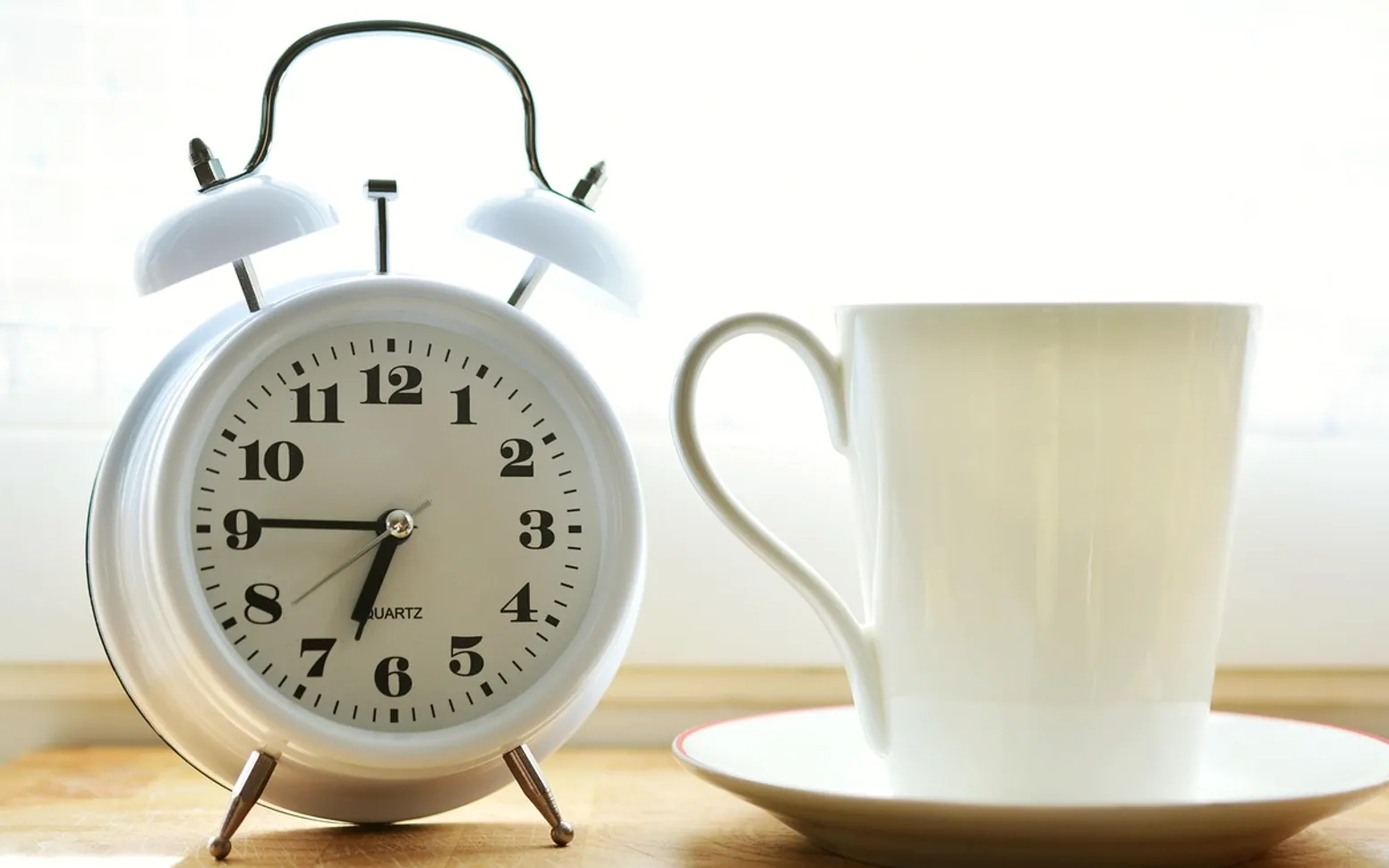
The 18:6 pattern means eating within a six-hour window and fasting for the other eighteen. Here is how the schedule looks in practice, what tends to make it easier, and who should not try it.
The name sounds like a train timetable, and in a way it is one. In 18:6 intermittent fasting you eat all your meals within six hours of the day and take in no calories for the remaining eighteen. Most of the fasting stretch overlaps with sleep, so the practical change is usually a later first meal, an earlier last one, or both.
It is a stricter version of the more common 16:8 pattern. That makes it worth understanding properly before deciding whether it suits you at all.
Not for everyone: read this part first
Long daily fasts are not suitable for many people. Skip 18:6, or only consider it with your doctor's guidance, if any of the following apply:
- You are pregnant, breastfeeding or planning a pregnancy soon.
- You have diabetes or blood sugar problems, especially if you use insulin or other glucose-lowering medicine.
- You have a history of eating disorders or a complicated relationship with food.
- You take medicines that must be taken with food or at fixed times.
- You are under 18, underweight, or have a heart, kidney or other long-term condition.
Even if none of these fit, a quick conversation with your doctor or pharmacist before starting is sensible. Fasting interacts with medicines, sleep and existing health issues in ways that are individual.
What an 18:6 day can look like
The window can sit wherever it best fits your life. A few common choices:
| Eating window | Works well for |
|---|---|
| 10 a.m. – 4 p.m. | Early risers who prefer a light evening |
| 12 p.m. – 6 p.m. | Office hours with an early family dinner |
| 1 p.m. – 7 p.m. | People who are rarely hungry in the morning |
Typically that means two meals and perhaps a snack inside the window. Outside it, you stick to drinks without calories. Water is the obvious one; we cover the details in drinking water during intermittent fasting.
Easing in rather than jumping
Going straight from three meals and evening snacks to an eighteen-hour fast is a big change. Many people find it easier to step down gradually:
- Stop eating after dinner for a couple of weeks, giving you roughly a twelve-hour overnight gap.
- Push breakfast a little later until the gap is around fourteen hours.
- Try a 16:8 pattern for a while and see how you feel.
- Only then consider stretching to 18:6, and only if 16:8 felt manageable.
Stopping at an earlier stage is a perfectly reasonable outcome. A shorter fast that fits your life may suit you better than a longer one that leaves you irritable and ravenous.
What to eat inside the window
Six hours is not a license for anything goes, and it is also not a reason to eat as little as possible. The aim is to get enough nourishment into fewer meals. That usually means building them around:
- A good portion of protein, such as eggs, fish, beans, lentils, yogurt or poultry.
- Plenty of vegetables and some fruit.
- Whole grains or other slower-digesting carbohydrates.
- Some healthy fats, like olive oil, nuts or avocado.
Breaking a long fast with a huge, heavy meal can leave you sluggish. A moderate first meal, followed by a fuller second one, tends to sit better.
Signs it is not working for you
Pay attention to how you actually feel. Persistent headaches, dizziness, poor sleep, trouble concentrating, feeling cold, or thinking about food constantly are all reasons to shorten the fast or stop. So is any sense that the schedule is pushing you toward bingeing or anxious eating. If symptoms continue, check in with a doctor.
It is also worth being realistic about results. Intermittent fasting is a way of arranging meals, not a guaranteed route to weight loss. Some people find it helps them eat more mindfully; others find it does little for them. Our longer piece on intermittent fasting and body fat looks at the broader picture.
A schedule, not a test
The most useful way to think about 18:6 is as one option on a spectrum. Some days you may eat over eight hours, some over ten, and that is fine. If the pattern fits your routine, leaves you feeling well and has your doctor's blessing, it can be a structured way to eat. If it does not, there are many other ways to build a steady, balanced diet.
Running alongside
| Bib | Article | Written | min |
|---|---|---|---|
| 038 | Water During Intermittent Fasting and What Else You Can Drink | Oct 8, 2026 | 04 |
| 027 | Unlocking the Secrets of Biology: The Top 5 Bio Lab Essentials | Feb 20, 2023 | 03 |
| 024 | The Effectiveness of Insulin Treatment for Diabetes | Mar 8, 2021 | 03 |
| 023 | Life's Abundance Dog Food | Jan 3, 2021 | 03 |
Switch lanes