Bib029
The Fascinating Journey of Meyer Lemon Trees
- Topic
- Lifestyle
- Written
- Read in
- 3 min
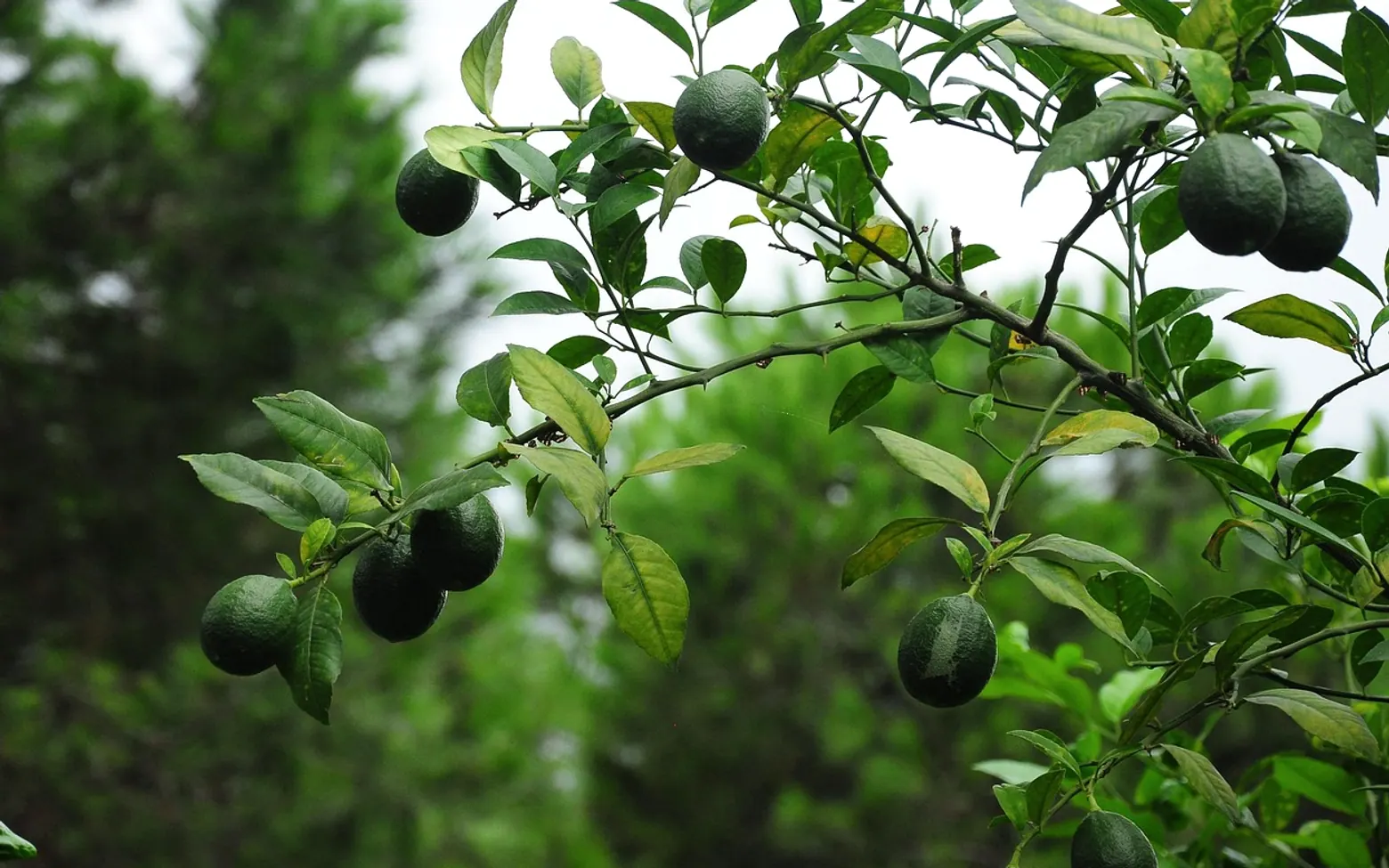
Hold a Meyer lemon next to a regular supermarket lemon and the difference is obvious. The skin is thinner and smoother, the color leans toward egg-yolk orange, and the scent has a…
Hold a Meyer lemon next to a regular supermarket lemon and the difference is obvious. The skin is thinner and smoother, the color leans toward egg-yolk orange, and the scent has a floral, almost sweet note. Cut it open and the juice is less sharp. That gentler character is the result of a long trip, a near disappearance and a careful rescue.
From Chinese pots to an American plant explorer
The Meyer lemon was grown in China for a long time before the West knew about it, often as an ornamental tree kept in pots. Botanists believe it is a natural cross between a lemon and a mandarin or orange, which explains the lower acidity and the warm color of the fruit.
Its Western story begins with Frank Meyer, a plant explorer working for the United States Department of Agriculture in the early twentieth century. His job was to search Asia for useful plants that might grow well in America. In 1908 he found this compact, productive lemon near Beijing and sent cuttings home. The fruit was later named after him.
Why gardeners took to it quickly
The new lemon had practical advantages. It stayed fairly small, fruited young, and handled cooler conditions better than many true lemons. That made it popular with home gardeners outside the warmest citrus regions, and with people who wanted a lemon tree in a large pot on the patio. In parts of California and the Gulf states it became a familiar backyard tree.
The virus problem and the Improved Meyer
The popularity came with a hidden flaw. Many of the early trees turned out to carry citrus tristeza virus without showing symptoms themselves. To growers of oranges and grapefruit, which can be badly damaged by the disease, that made the Meyer lemon a risk. In the mid-twentieth century, large numbers of the old trees in California were destroyed, and moving them around was restricted.
The tree was not lost, though. Researchers in California worked on finding and propagating a virus-free selection, and it was released to nurseries in the 1970s under the name "Improved Meyer Lemon." The Meyer lemon trees sold for gardens today descend from that cleaned-up line.
How chefs turned it into a kitchen favorite
For decades the Meyer lemon was mostly a backyard fruit, too thin-skinned to ship well. That changed when California restaurants in the 1970s and 1980s started featuring local, seasonal produce, and Meyer lemons from neighborhood trees found their way onto menus. Cookbooks and food magazines followed, and the fruit gradually appeared in specialty stores and farmers' markets.
Cooks value it because it adds lemon flavor without overwhelming acidity. A few uses that show it off:
- Squeezed over roast vegetables or grilled fish just before serving.
- Whisked into a simple vinaigrette with olive oil and a pinch of salt.
- Baked into lemon bars, curd or a loaf cake, often with less sugar than the recipe calls for.
- Sliced thin and preserved in salt for stews and grain salads.
- The zest rubbed into sugar for cookies or into butter for toast.
Growing a Meyer lemon of your own
The tree's compact habit makes it one of the easier citrus plants for a sunny garden or a large container. A few basics keep it happy:
- Light: as much sun as possible; indoors, the brightest window you have.
- Water: deep watering when the top few centimeters of soil are dry, with good drainage so roots never sit in water.
- Feeding: a citrus fertilizer during the growing season, following the package directions.
- Cold: bring potted trees indoors or into a frost-free spot before freezing nights.
Expect fragrant white flowers, often more than once a year, and fruit that takes several months to ripen. A Meyer lemon is ready when it turns deep yellow and gives slightly when squeezed. Picking one from your own tree on a winter morning is a small pleasure with more than a century of history behind it.
Running alongside
| Bib | Article | Written | min |
|---|---|---|---|
| 032 | Top Argo Air Conditioner Models: Benefits and Pricing | Jul 22, 2024 | 03 |
| 031 | Personalized Patient Messaging: The Future of Digital Signage in Clinics | Jul 4, 2024 | 03 |
| 025 | Top Argo Air Conditioner Models: Benefits and Pricing | Aug 8, 2022 | 03 |
| 023 | Life's Abundance Dog Food | Jan 3, 2021 | 03 |